Annual Bluegrass Weevil
(Listronotus maculicollis (Kirby, 1837))
Rebekka Horn, Graduate Research Assistant, University of Tennessee
William Klingeman, Professor, University of Tennessee
Becky Grubbs Bowling, Assistant Professor & Extension Specialist, University of Tennessee
Midhula Gireesh, Assistant Professor, University of Tennessee
TAKE ACTION!
“Think you have found ABW at your location in Tennessee? If so, please help!”
Currently, we are unaware of any existing populations in ABW in Tennessee. Prior to making a pesticide application, we ask that you collect adult beetle specimens and larvae, take pictures, record the location and possible source of beetles, and reach out to the following:
- Dr. Midhula Gireesh (mgireesh@utk.edu),
- Dr. Becky Grubbs Bowling (rgrubbs5@utk.edu), and/or
- Dr. Bill Klingeman (wklingem@utk.edu)
What are annual bluegrass weevils?
Annual bluegrass weevils (ABW) are non-native beetles that economically and aesthetically affect short-cut annual bluegrass and creeping bentgrass. Areas of concern for this pest include putting greens, fairways, and collars on golf courses. Multiple generations can occur, depending on the location and seasonal weather conditions.
Adult ABW identification
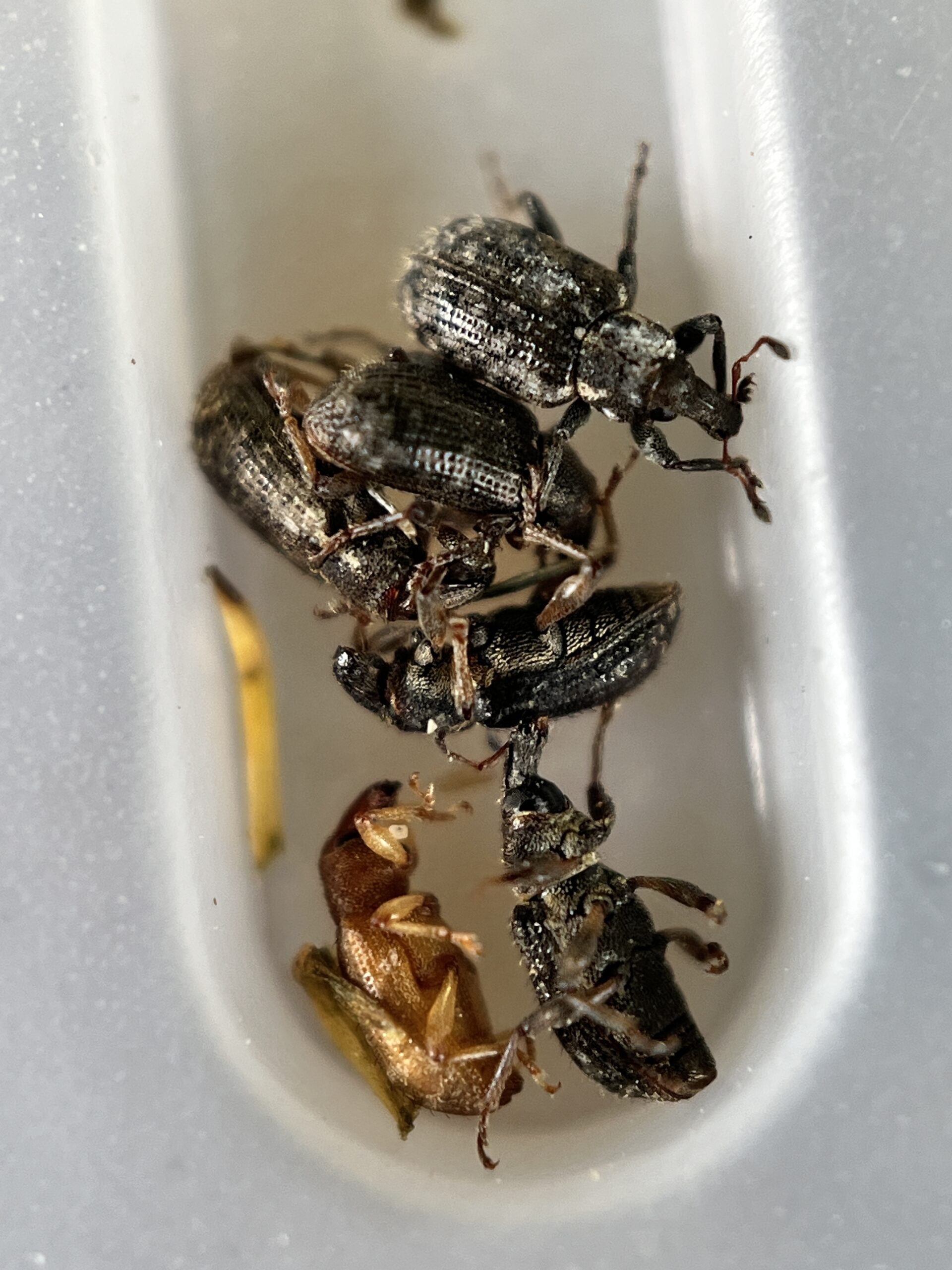
Picture credit: Dr. Kenneth Clayton, University of Kentucky.
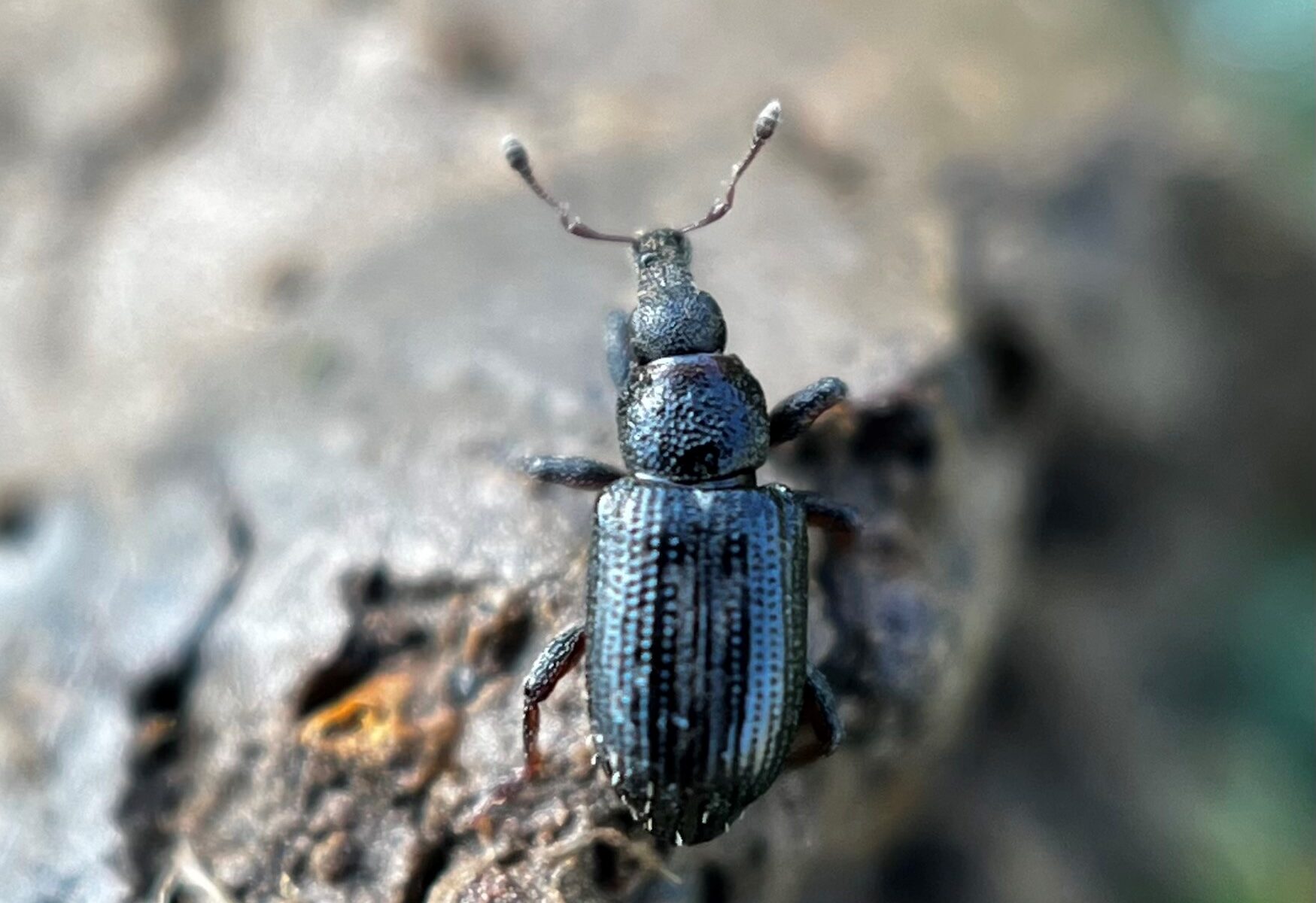
Newly emerged ABW are mottled brown in appearance, with pale brown and greyish scales. When interacting with the environment, the scales get rubbed off, and older adults are jet black in appearance.
Adults resemble small billbugs. Adults have an elongated snout with antennae that are attached roughly at the midpoint.
Plant phenological indicators also help predict when populations of ABW will be present:
- Adults: emerge from overwintering sites when forsythia is in full bloom.
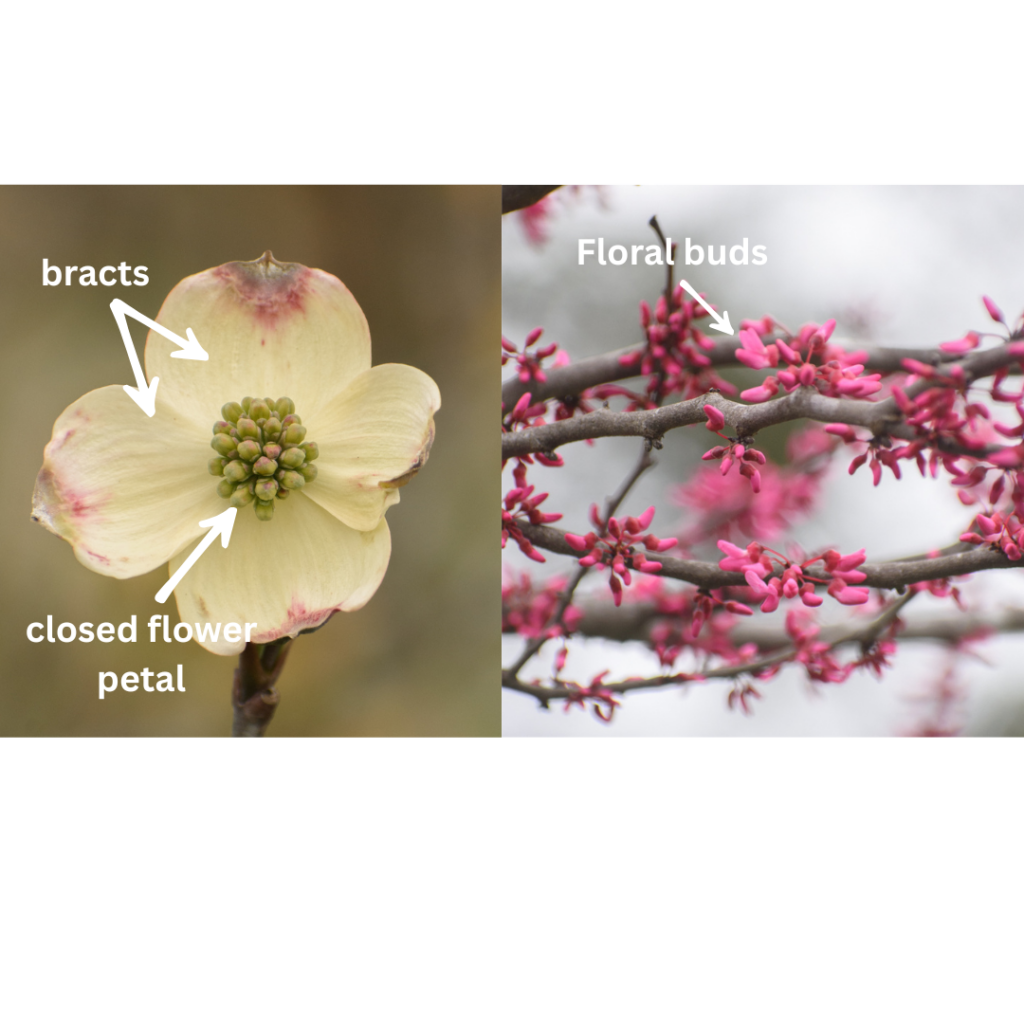
- Eggs and early instar larvae: present when the bracts of flowering dogwood are fully open and Eastern redbud trees are in full bloom.
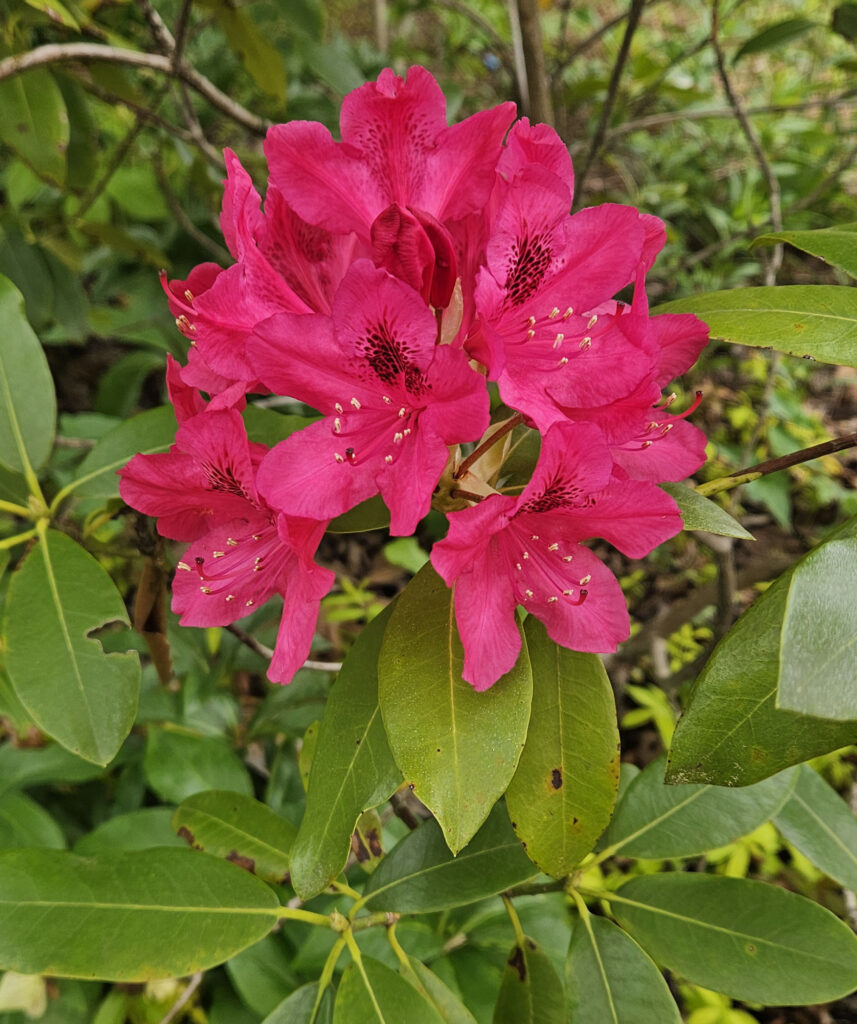
- Third and fourth instar larvae: appear in the soil when hybrid Rhodendron catawbienese are in full flower.
Lifecycle of ABW
Eggs: Small, rough, oblong, and pale yellow eggs are roughly 0.8-0.25mm in size. Eggs are inserted singly or in multiples between the leaf blade and stem.
Larvae: Larvae develop in 5 larval stages. This is the most damaging life stage of this pest.
Pupae: Pupae are creamy white and eventually darken to a red-brown color. Pupae develop in the soil for ~5-7 days before adults hatch.
Adults: Please see the “Adult ABW Identification” section for more details.
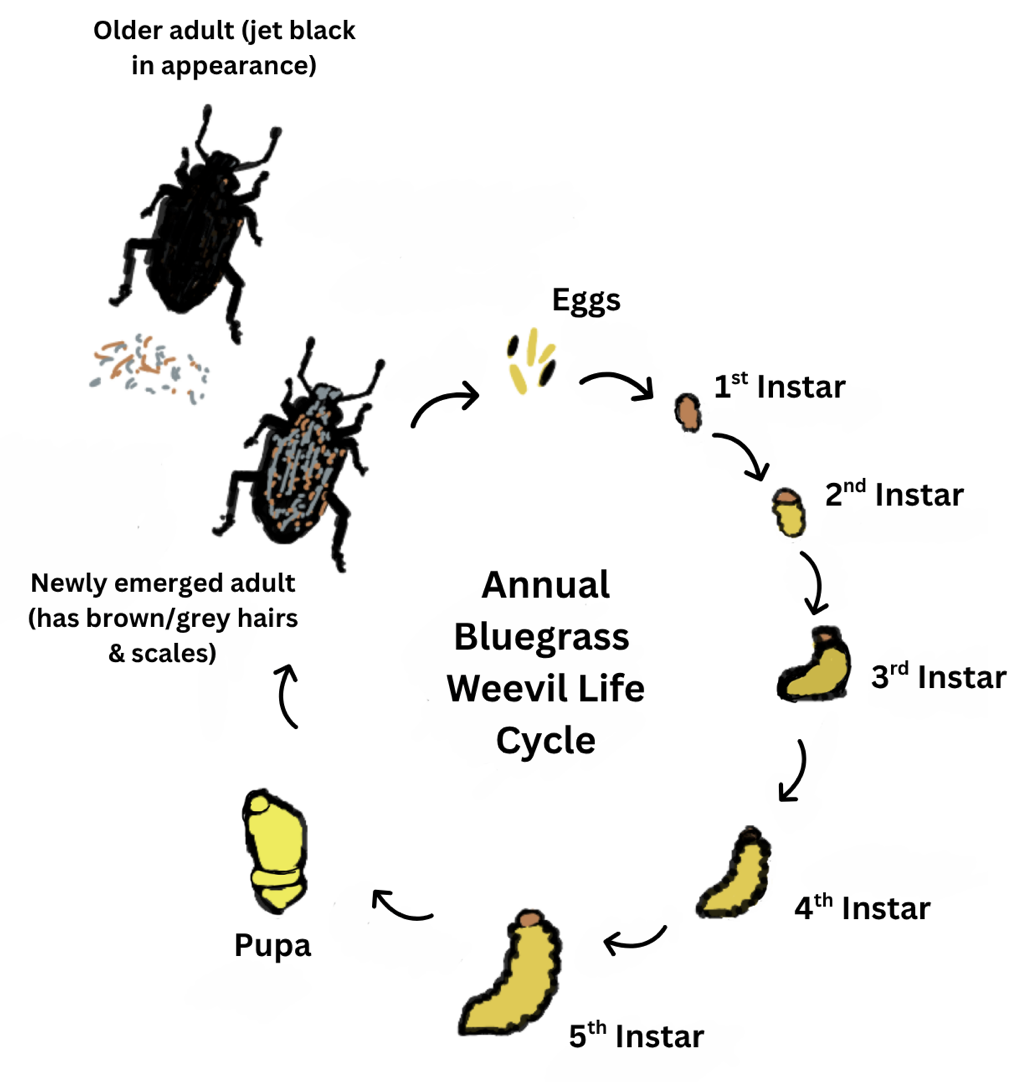
Illustration credit: Rebekka Horn, University of Tennessee
Hosts & damage of ABW
The most susceptible turfgrass hosts include short-cut annual bluegrass and creeping bentgrass.
ABW larvae cause the most damage as they enter the 4th and 5th instars. Late instar larvae move out of the stem to feed on turfgrass crowns. This causes the following damage symptoms, which can be confused with pathogens or drought stress:
- Yellowing grass (chlorosis)
- Dessication
- Dying turfgrass
- Post-feeding exit holes in turfgrass stems
Additionally, birds and other mammalian predators may tear up turfgrass while searching for ABW.
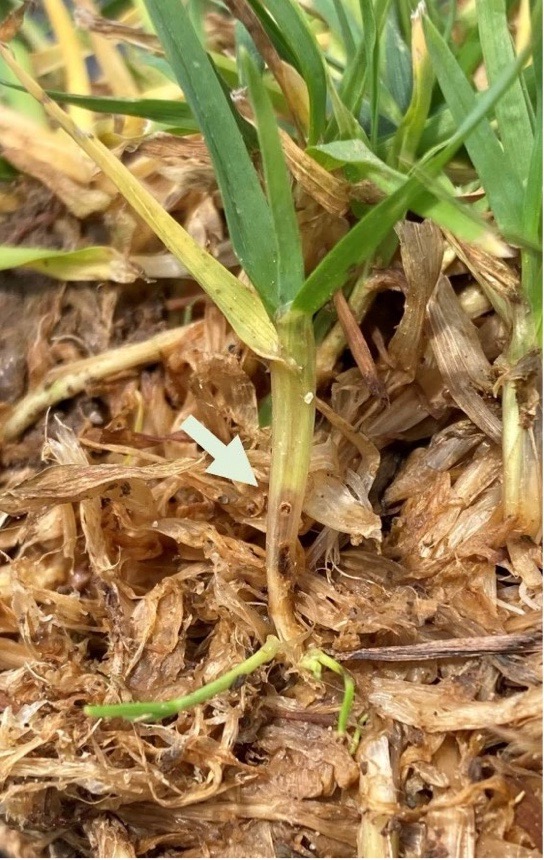
Picture credit: Dr. Kenneth Clayton, University of Kentucky.
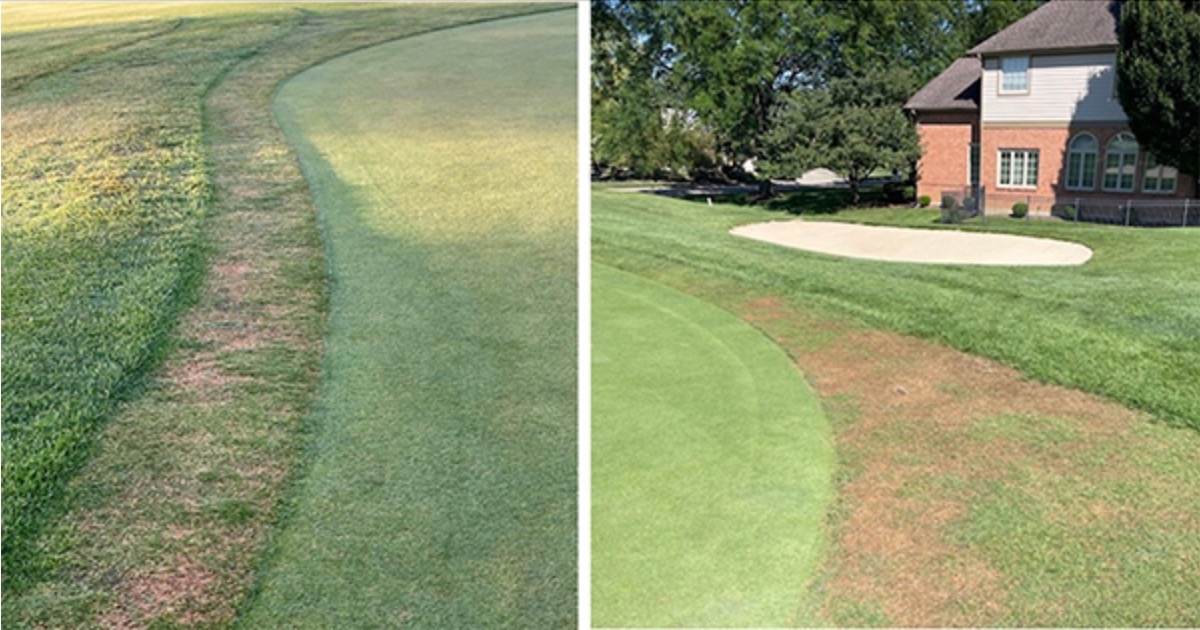
Picture credits: Dr. Kenneth Clayton, University of Kentucky.
Monitoring for ABW
Active monitoring for ABW includes the following:
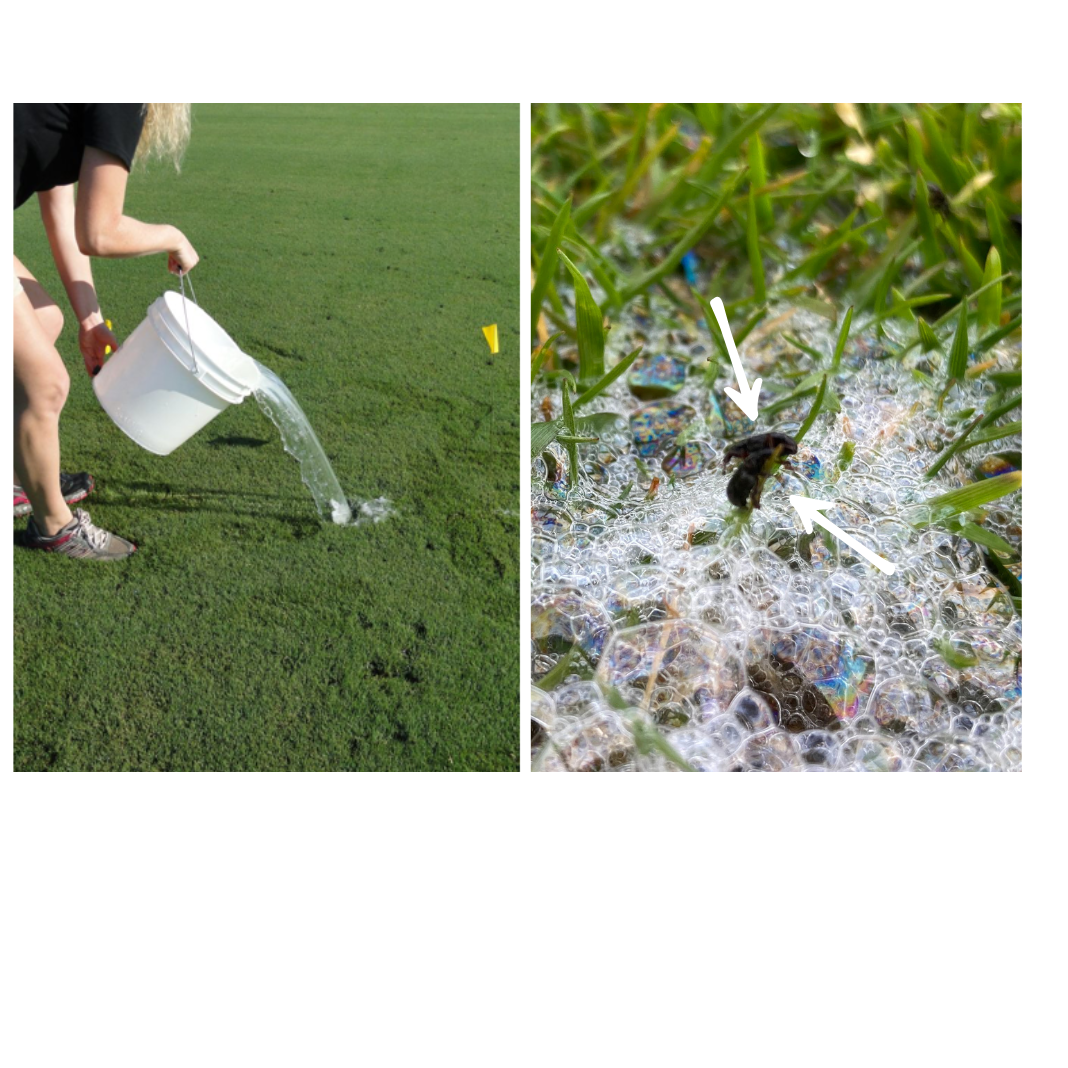
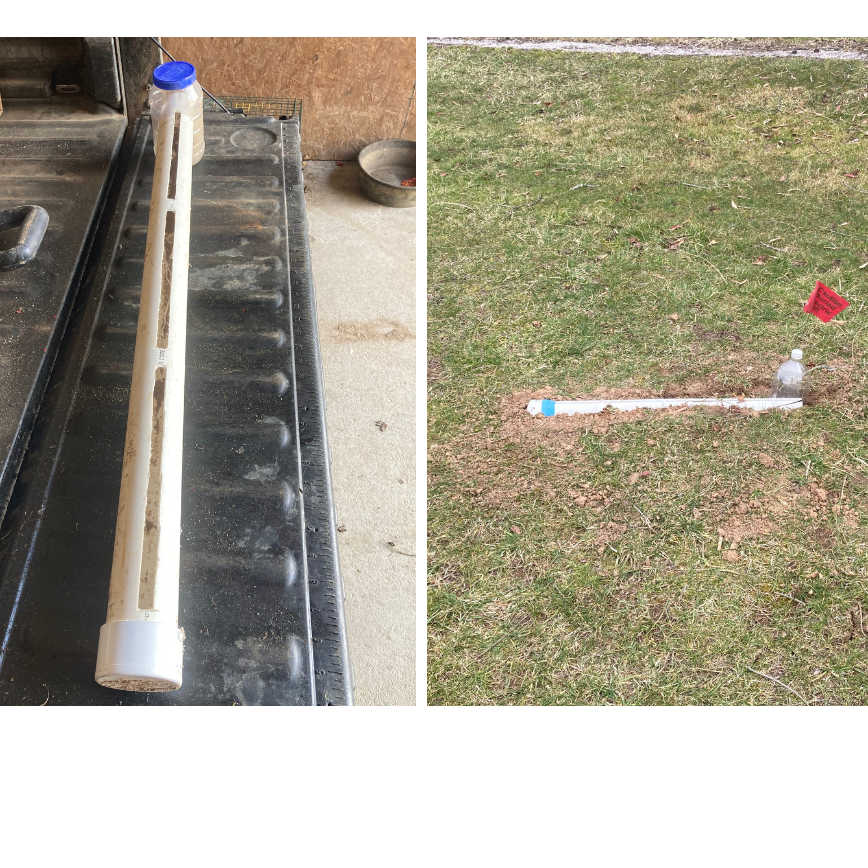
- Pitfall trap (pictured below)
- Visual surveying
- Tug test on turfgrass
- Salt flush
- Soap flush (pictured below)
As of 2025, Tennessee does not have any infestations of ABW. Please report ABW presence to Dr. Midhula Gireesh, Dr. Becky Bowling, and Dr. Bill Klingeman.
Management for ABW
Biological control
- Entomopathogenic nematodes (Steinernema carpocapsae)
Cultural control
- Limiting irrigation
- Research and plant resistant cultivars of turfgrass
- Check mowing baskets for adult ABW and disposing of the clippings to an off-course location.
Chemical control – the following active ingredients can help control ABW. Please see the review by Brown et al. (2026) for more information:
- bifenthrin, clothianidin, dinotefuran, etc.
Resources
- Bradley S, Del-Pozo A. 2023. The annual bluegrass weevil as a golf course pest in Virginia (ENTO-565NP). Virginia Cooperative Extension. https://www.pubs.ext.vt.edu/ENTO/ento-565/ento-565.html
- Brown MS, Islam T, McGraw B, et al. 2026. Biology, ecology, and management of the annual bluegrass weevil (Coleoptera: Curculionidae) in turfgrass. J. Integr. Pest Manag. 17:pmag002. https://doi.org/10.1093/jipm/pmag002
- Clayton K, Larson JL. Revised 3/2026. Annual bluegrass weevil monitoring and scouting techniques. University of Kentucky Department of Entomology (ENTFACT-472). https://entomology.mgcafe.uky.edu/ef472
- Cornell University. 2019. Diagnosis and decision making for sustainable annual bluegrass weevil management. https://user-23310503727.cld.bz/Bluegrass-Weevil-Management
- Czyzewski BD, McGraw BA. 2017. Mowing height influences Listronotus maculicollis (Coleoptera: Curculionidae) oviposition behavior and mechanical removal from golf course putting greens, but not larval development. J. Econ. Entomol. 110:2165-2171. https://doi.org/10.1093/jee/tox192.
- Koppenhöfer AM, Alm SR, Cowles RA, et al. 2012. Controlling annual bluegrass weevil: optimal timing and rates. Golf Course Manag. 80:98-104.
- Koppenhöfer AM, Kostromytska OS, Wu S. 2018. Pyrethroid-resistance level affects performance of larvicides and adulticides from different insecticide classes in populations of Listronotus maculicollis (Coleoptera: Curculionidae): split applications and combinations with imidacloprid. Crop Prot. 137:105229. https://doi.org/10.1016/j.cropro.2020.105229
- Sousa ALV, Kostromytska OS, Wu S, et al. 2023. Optimizing sampling technique parameters for increased precision and practicality in annual bluegrass weevil population monitoring. Insects. 14:509. https://doi.org/10.3390/insects14060509.
- Vittum PJ. 2020. Turfgrass Insects of the United States and Canada, 3rd ed. Cornell University Press.
- Wu S, Kostromytska OS, Koppenhöfer M. 2017. Synergistic combinations of a pyrethroid insecticide and an emulsifiable oil formulation of Beauveria bassiana to overcome insecticide resistance in Listronotus maculicollis(Coleoptera: Curculionidae). J. Econ. Entomol. 110:1794-1802. https://doi.org/10.1093/jee/tox176.